
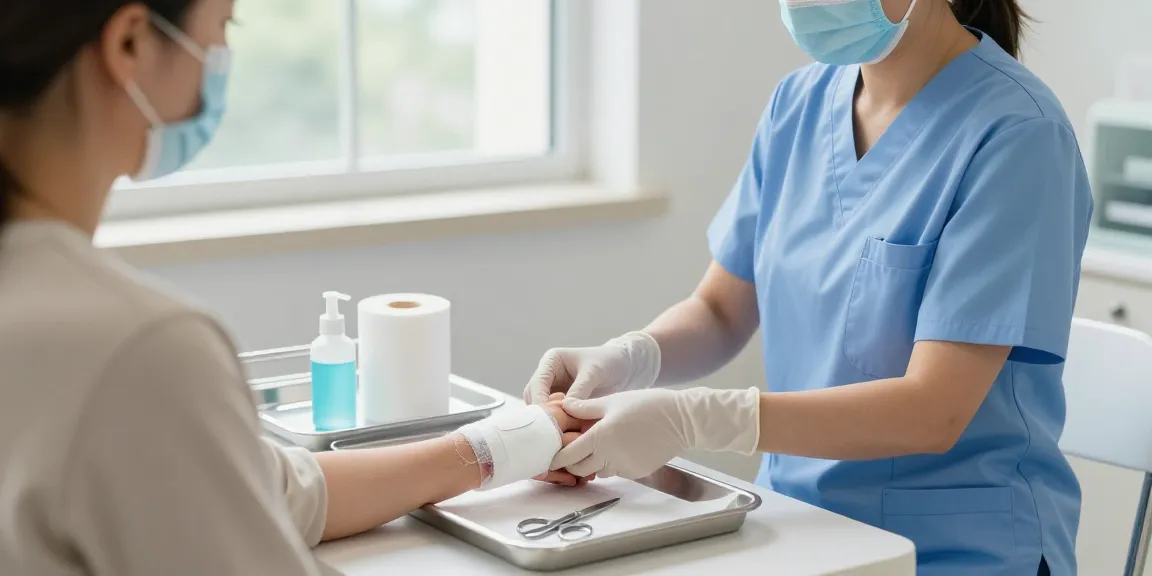
Understanding Gauze Bandages: Usage and Benefits
Gauze bandages have long been a staple in both home first aid kits and professional medical settings. Their versatility, affordability, and effectiveness in wound care make them an essential tool for healthcare providers and individuals alike. As we look forward to advancements in wound management in 2026, understanding the features and benefits of gauze bandages is more pertinent than ever. This article delves into the various types of gauze bandages, their benefits, common applications in medical settings, and much more.
What Are Gauze Bandages and Their Types?
Gauze bandages are lightweight, open-weave fabrics made from cotton, rayon, or other synthetic materials. They serve as an excellent primary or secondary dressing for wounds. These bandages come in several types, including:
- Plain Gauze: Soft and absorbent, ideal for covering wounds.
- Adhesive Gauze: Includes a sticky backing that adheres to the skin, providing stability.
- Roll Gauze: Offered in rolls for versatile application, particularly for larger wounds or securing over other dressings.
- Non-Adherent Gauze: Designed to prevent sticking to the wound, reducing pain during removal.
Key Benefits of Using Gauze Bandages
Gauze bandages offer several advantages that make them a popular choice in both clinical and home environments. Some key benefits include:
- Breathability: Their porous nature allows for air circulation, promoting natural healing.
- Absorbency: Excellent at soaking up blood and exudate from wounds, crucial for infection control.
- Cost-Effectiveness: Generally inexpensive compared to advanced dressings, making them accessible for all.
- Ease of Use: Simple application techniques make them suitable for both professionals and laypersons.
Common Applications in Medical Settings
Healthcare professionals utilize gauze bandages in a variety of situations, such as:
- Covering surgical incisions post-operation
- Managing minor cuts and abrasions in emergency care
- Securing dressings over wounds
- Absorbing excess fluids in deeper wounds
Challenges and Limitations of Gauze Bandages
While gauze bandages are incredibly versatile, they are not without their challenges. Understanding these limitations can help healthcare providers and caregivers make informed decisions about wound care.
Frequent Issues with Gauze Bandage Application
Improper application of gauze bandages can lead to complications. Common issues include:
- Inadequate Coverage: Insufficiently covering the wound may expose it to infections.
- Too Tight or Too Loose: Improper tension can cause discomfort, impede circulation, or fail to secure the dressing.
- Adhesive Reactions: Some patients may experience allergies or sensitivities to adhesive bandages.
Alternatives to Traditional Gauze Bandages
For certain types of wounds or specific patient needs, alternatives to gauze bandages may be preferable. Options include:
- Hydrocolloid Dressings: Provide a moist healing environment and adhere to the skin without sticking to the wound.
- Foam Dressings: Ideal for highly exudating wounds due to their absorbent properties.
- Silicone Dressings: Gentle on sensitive skin, preventing trauma during dress changes.
Common Misconceptions about Gauze Bandages
Numerous misconceptions surround the use of gauze bandages. Some of the most prevalent include:
- They are always the best option for all types of wounds.
- Gauze bandages can be reused after cleaning.
- They do not require regular changes unless soiled.
Best Practices for Using Gauze Bandages
To maximize the benefits of gauze bandages and minimize complications, following best practices is essential. This section outlines a step-by-step guide to proper application and maintenance.
Step-by-Step Guide to Proper Application
Proper application of gauze bandages involves the following steps:
- Prepare the Wound: Cleanse the wound with saline or antiseptic.
- Select the Right Gauze: Choose a type that matches the wound's size and drainage level.
- Apply the Gauze: Place the gauze directly onto the wound, ensuring full coverage.
- Secure the Bandage: Use adhesive tape or additional gauze rolls to secure the dressing.
Maintaining Hygiene and Safety
Hygiene is paramount when applying gauze bandages. Ensure that:
- You wash your hands thoroughly before and after handling wounds.
- You use sterile materials for dressing changes.
- You monitor for signs of infection, such as increased redness or discharge.
Monitoring Patient Progress with Gauze Bandages
Regularly check the wound and dressing to assess healing progress. Key indicators to monitor include:
- Wound color and size
- Exudate levels
- Signs of infection
Innovative Alternatives to Consider
As technology advances, new dressing products are emerging that may provide advantages over traditional gauze. This section examines some innovative solutions available by 2026.
Modern Dressing Products Available in 2026
Healthcare providers are expected to have access to several modern dressing products, including:
- Smart Bandages: These bandages incorporate sensors that monitor wound conditions and deliver real-time data.
- Bioengineered Dressings: Derived from human tissues or designed to mimic biological functions.
- Hydrogel Dressings: Ideal for wounds requiring moisture management to promote healing.
Pros and Cons of Advanced Wound Care Solutions
While advanced dressing solutions offer exciting possibilities, they also come with their own set of benefits and drawbacks:
- Pros: Enhanced healing, reduced infection rates, and increased patient comfort.
- Cons: Higher costs, potential for technological malfunctions, and the need for training to apply correctly.
How to Choose the Right Dressing for Patient Needs
Selecting the most appropriate dressing depends on several factors, including:
- Type and severity of the wound
- Patient comfort levels
- Expected healing time
Future Trends in Wound Care Management
Looking ahead, several trends are likely to shape wound care management practices through the rest of this decade.
Emerging Technologies and Their Impact on Wound Treatment
Emerging technologies such as telemedicine and artificial intelligence are influencing wound care by:
- Facilitating remote monitoring and consultations
- Assisting healthcare providers in making data-driven decisions
Trends in Patient-Centered Care Solutions
As patient-centered care becomes increasingly vital, healthcare providers will prioritize:
- Personalized treatment plans
- Enhanced patient education
- Involvement of patients in their own care
Predictions for Wound Care Innovations by 2026
Several innovations are anticipated by 2026, including:
- Integration of AI for tailored wound assessments
- Expansion of biodegradable and environmentally friendly dressings
How Can I Ensure Optimal Healing Results?
To achieve optimal healing, adhere to recommended care practices—cleaning wounds, changing dressings regularly, and monitoring for complications.
What Are the Most Common Mistakes with Bandaging?
Common mistakes include:
- Using improper techniques for securing dressings
- Neglecting to change dressings frequently
- Failing to keep wounds clean
How Do I Choose the Right Bandage for Different Wounds?
Assess the wound type — minor scrapes may require simple gauze, while larger, more complex wounds might benefit from advanced dressings.
When Should I Consult a Professional About Wound Care?
Consult a healthcare professional if the wound shows signs of infection, fails to heal, or if there is a concern about the nature of the injury.
What Is the Role of Bandages in Overall Patient Recovery?
Bandages play a vital role in protecting wounds, promoting healing, and enabling individuals to resume daily activities with confidence.
